Driving After ACL Surgery
Introduction
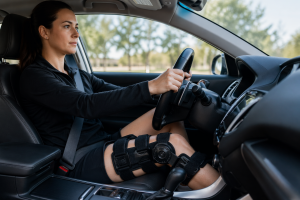
If you’re a driver, being able to drive again after anterior cruciate ligament (ACL) surgery is a significant milestone on the road to recovery. Many patients depend on driving to get to work, attend physical therapy sessions, or simply regain a sense of independence. However, attempting to drive too soon can jeopardize both recovery and personal safety. This article outlines key considerations and guidelines to help determine when it is safe to return behind the wheel.
When Is It Safe to Drive?
Here’s the first rule: Don’t do it until or unless your Doctor / Care Team tell you it’s safe for you to do so. Even then, you should self-assess if you’re comfortable yet.
In any case, the timeline for resuming driving varies depending on the nature of the ACL injury, the leg that was operated on, and the type of vehicle transmission. In general:
Right leg surgery
Because the right leg operates both the gas and brake pedals, patients typically need a longer recovery period before driving. It seems that genreally, orthopedic surgeons recommend waiting 4–6 weeks post-surgery, or until you can react quickly and without pain, though some may return sooner depending on the type of injury and procedure.
Studies I’ve been able to find show that brake-reaction time usually returns to baseline around 3–6 weeks. (See: Braking Reaction Time After Right-Knee Anterior Cruciate Ligament Reconstruction: A Comparison of 3 Grafts.)
Left leg surgery
Patients could resume driving sooner, sometimes around 2–3 weeks post-surgery, provided they have full control of the right leg. Manual transmissions will delay this timeline due to clutch use. For automatic vehicles, left-leg ACL surgery should not affect brake-reaction time as significantly. But it could depending on any pain level impact on your general movement.
Manual vs. automatic transmission
Manual-transmission vehicles require more leg coordination, strength, and control, especially with the left leg. If your surgery was on the left knee, it would be smart to discuss the additional delay with your doctor.
Nerve block caution
If you had a nerve block during surgery (very common), do not drive until all numbness and quadriceps inhibition have fully resolved. This could last 24–72 hours or more and can significantly impair pedal control.
Always get medical clearance
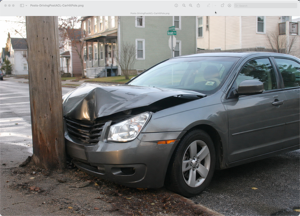 Your surgeon or physical therapist will assess strength, range of motion, quadriceps control, and your ability to perform an emergency stop before clearing you to drive. Remember that if you have an accident when you’re in a physical condition that’s questionable, it’s possible your insurance company and maybe others could cause you a lot of problems. An ACL injury by itself typically will not automatically make driving illegal or void your insurance. The real issue is whether the injury, brace, reduced range of motion, weakness, pain, or medication made you unsafe to operate the car. That might be a general statute or issue that could get you in trouble if you do have a problem. This isn’t legal advice, but it seems to be common sense that if there was a crash investigation and it showed you were driving while medically unsafe, that could worsen liability exposure, strengthen the insurer’s argument that you were at fault, and increase the chance of disputes over coverage, damages, or subrogation. And also, maybe get your driver’s license suspended, restricted or revoked.
Key Considerations
Strength and Reaction Time
You should be able to perform at least the following without hesitation or discomfort:
- Press the brake pedal firmly and repeatedly with force comparable to emergency braking.
- Move quickly and smoothly between pedals while maintaining full control.
- Sit comfortably for extended periods without swelling or significant pain.
Pain Medication
This one is hopefully completely obvious. Avoid driving if you are taking opioid pain medication or any medication that may impair alertness. Even some over-the-counter pain relievers can cause drowsiness.
Type of Surgery and Immobilization
If you are required to wear a brace or immobilizer after surgery, you should not drive until you are cleared to do so without it. Braces can restrict knee movement and slow reaction time.
If a long-term brace is ultimately required, you’ll need to learn how to accommodate it safely. Even seemingly minor issues can matter, for example:
- A brace that extends low on the leg may catch on a pedal.
- A slippery brace surface might shift unexpectedly and restrict movement at a critical moment.
I’ll tell you a quick slightly related story. I was whitewater kayaking once upon a time. And wearing some sandals instead of typical water shoes. During one particularly rough set of rapids, my foot slipped off a foot pedal and behind it. A strap caught on the foot pedal. I was able to clear it quickly, get to the side and adjusts things. But I never wore that foot gear again. Had I flipped over or needed to exit the boat, that one dumb little nothing thing could have easily killed me. Really, there’s just a lot of common sense you have to apply hear. If you need to wear some kind of support gear, you need to learn to accommodate it well and make sure it won’t interfere with safe operation of whatever you’re doing; vehicle, bicycle, scooter, whatever.
Vehicle Modifications
Most ACL patients don’t likely need vehicle modifications. However, if your surgeon anticipates a prolonged recovery, you may need to consider options such as:
- Hand controls to reduce reliance on knee flexion
- Pedal extenders for limited range of motion
- Cushions or support pads to maintain proper knee alignment
In these cases, you’d want to consult a certified driver-rehabilitation specialist if modifications seem necessary.
Safety Tips for Returning to Driving
- Practice in a safe area: Use an empty parking lot to test braking, acceleration, and comfort. (Which may mean asking someone else to drive there for your first.)
- Limit initial trips: Start with short drives around your neighborhood or well-known comfortable places.
- Adjust your seat and mirrors: Ensure you can reach pedals without strain.
- Take breaks: On long trips, stop periodically to stretch. A small pillow or rolled towel under your
calf (not behind the knee) can reduce swelling. (Not while driving through. Anything that could slip and get caught beneath any pedal or block any pedal is a major risk.) - Avoid busy traffic: It increases the likelihood of sudden braking and fast pedal changes.
Legal and Insurance Considerations
Again, it’s possible driving before receiving medical clearance can have legal implications if an accident occurs. Insurance companies may deny claims if you were advised not to drive.
Conclusion
Regaining the ability to drive can feel like a major victory during ACL recovery, but safety must come first. Listen to your surgeon and physical therapist, ensure you can perform emergency maneuvers without pain, and avoid driving while taking impairing medications. Even if you’re medically cleared, that doesn’t mean it’s wise to take a long trip immediately. By taking a cautious, gradual approach, you’ll protect both your healing knee and everyone on the road.