ACL Surgical Recovery for Older Patients
What does Older mean?
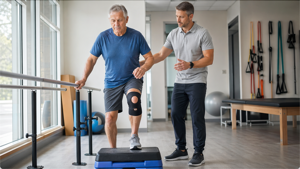
For ACL graft option selection, a surgeon might consider some in their 30s or 40s “older” and suggest allograft. But in terms of recovery? There’s people who are seriously active and in shape well into their 60s, 70s and beyond. And then there’s folks who seem to age faster and much earlier. So just what ‘older’ is might be part actual chronological age, part just personal vitality and general strength, and maybe part attitude.
So some aspects of surgical recovery may be related to very real physical issues of the aging process of the human body. And others – possibly more so – depend on the condition of an individual. We need to consider all of those things when thinking about what might actually even be considered older, and what it might mean for differences during recovery.
Anterior cruciate ligament surgery is not only for athletes. Many adults in their fifties, sixties and beyond tear their ACL during daily activities such as stepping off a curb, slipping on stairs or twisting while carrying something heavy. Recovery can be successful at any age, but older patients face a different set of challenges than younger adults or athletes returning to sport. Healing can be slower, arthritis may already be present and bone strength may vary. Understanding these factors helps set realistic expectations and leads to safer progress.
Unique Risks in Older Adults
Age does not disqualify anyone from ACL reconstruction, yet the body behaves differently over time. Cartilage wear, reduced blood flow and natural changes in connective tissue all influence recovery. There are some surgeons who suggest older patients just don’t get surgery at all. One problem here is there’s really no universal age cutoff or one-size-fits-all rule for what should be done within particular age ranges. This seems to vary based on patient age, activity level and the different health systems around the world. An active 80 year old who wants to play a lot more golf may very much want the surgery and if they have good insurance, may push for it. In different parts of the world, there appears to be varying practices. For now though, let’s say we qualify for surgery and go and get it done with some graft type or another.
Let’s also consider that older patients may already have some degree of knee arthritis. This does not prevent surgery but it can add stiffness, swelling and discomfort during the early stages of rehabilitation. Osteoporosis or lower bone density also affects how well screws and fixation devices hold a graft in place. Surgeons consider these factors when choosing graft types and surgical techniques.
Balance issues and weaker surrounding muscles are more common as well. This increases fall risk, especially while using crutches or navigating stairs in the first weeks after surgery. Extra caution and home safety adjustments become important.
Slower but Steady Healing
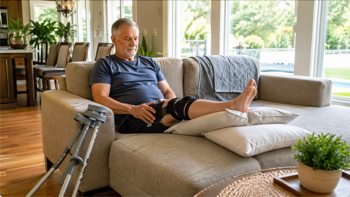
Older patients may progress more gradually and may face more additional factors such as arthritis, lower muscle mass, or lower bone density.This does not mean poor outcomes. It simply means timelines shift. A lot of issues are mediated by baseline fitness, existing arthritis, bone quality, and rehab adherence. Those of us who are past 40, 50, 60, whatever might feel generally great and in our minds we’re still 20-something. The reality is we probably do heal more slowly. Things will take more time, even with putting in the physical therapy work. Patience will be an important skill.
Swelling may take longer to resolve. Regaining full extension and flexion often requires more consistent stretching. Stretching can take time and be a hassle. We might forget to do it with work and family and so on. Or we can commit to it when sitting anyway, or during TV time. Recovery isn’t just about strength though. Stretching is important.
As well, strength work progresses more gradually because muscle mass rebuilds at a slower pace. Even so, patients who follow their physical therapy plan and avoid rushing usually achieve stable, functional knees.
Pain patterns can be different too. Arthritis may flare after activity or weather changes. Patients sometimes confuse these aches with surgical pain. Clear communication with the therapist helps sort out what is normal and what needs attention. Though it can be challenging for even experts to accurately tell the difference in all cases.
Balancing Arthritis and Osteoporosis Concerns
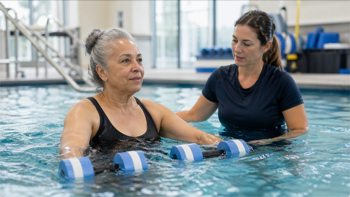
When arthritis is present, the goal is not only ligament stability but also joint comfort. Therapists often focus on low-impact motion, swelling control and strengthening the quadriceps and glutes to reduce pressure on the joint. Cycling, pool exercises and gentle closed-chain movements tend to work well. In these cases, you have to consider the environment and the motions though. Cycling on a recumbent bike in the gym is much different than a mountain bike outside over rougher terrain. Swimming might sound great, but we may need to take more care getting in and out of the pool, plus watch what motions we use. For example, it might be fine to “run” in the water for resistance, or swim freestyle. But it could be that the frog kick of breaststroke is a bad idea for some time into recovery. Definitely another type of question for care team.
For those with low bone density, surgeons may choose specific fixation hardware or suggest slightly slower weight-bearing progression. Patients may need to be more deliberate about calcium, vitamin D and overall nutrition to support bone healing. Fall-prevention strategies matter more than ever.
More Serious Mobility Concerns
For those that already had trouble with mobility, some concerns become more pronounced. It’s possible walking support options, from canes to walkers or more, may be indicated. It could be that in some cases, individuals or families may have to make challenging decisions about the ability for self-care vs. some form of assisted living. There’s also the concern as to whether some individual will still be able to drive, if they still were prior to injury.
Practical Tips for Older Adults Recovering from ACL Surgery
Take things at a thoughtful, steady pace. Recovery is less about hitting aggressive milestones and more about consistent improvement. Some of the more dangerous periods in recovery can be after the initial several weeks or months post surgery. The problem is when we start to feel somewhat normal again. Maybe we forget certain movements are not quite ok yet and we just do them as our brain brings us back to before. We all want to heal. And yes, over time, it could be it’s our brain and emotional state that holds us back from trying things for which we’re ready. The point is, to be intentional about our movements until it is safe to just behave naturally with little to no concern.
Here’s some practical things we can do.
• Prepare the home environment. Remove loose rugs, improve lighting and arrange seating so you can get in and out safely.
• Do range-of-motion work daily. Small improvements add up quickly.
• Avoid “good pain vs. bad pain” guesswork. If swelling or stiffness spikes, scale back and speak with your therapist.
• Protect bone health with proper nutrition and follow your surgeon’s weight-bearing guidance.
• Use trekking poles or a cane when transitioning off crutches if balance feels unsteady.
• Rest between activities. Older joints tire sooner, and pacing prevents setbacks.
Here’s Number One: Do the Work.
Do the physical therapy. Do the gym work. Long after insurance runs out or the therapy sessions end, you’ll likely still need to be staying diligent about your workouts for good long-term health. On one online community, sometimes people ask, “When will I be able to stop working out so much to keep my leg in shape?” The usual answer is, “Never. This is for the rest of your life.” This may or may not be true in terms of ACL recovery. But it could be. And it’s not a bad long term motivator. The point is, we’ve taken serious damage on a part that we stress most every single day. Losing a couple of pounds decreases the stress we put on our knee parts. Keeping our muscles strong and flexible reduces stress on other structures.
Nothing just mentioned isn’t already obvious, right? It’s keeping up with it that’s hard. That may be true for anyone. Ideally though, even if it’s not what any of us asked for, one good that comes out of this challenging injury is that it might keep us motivated to be in generally good shape.
Expected Long-Term Outcomes
Most older adults regain strong functional use of the knee and return to daily activities such as walking, gardening, household chores and travel. And for a lot of us, that includes our sports from skiing to tennis to golf or whatever. Some may notice lingering stiffness or mild arthritis-related discomfort, but symptoms often improve with continued strengthening, activity modification, and weight management.
The key is not rushing. A conservative but consistent plan leads to reliable long-term results. Many older patients report that their knee feels more stable after surgery than it did in the months before the injury.
In any case, let’s repeat the obvious: We have to continue to do the work of recovery over time.